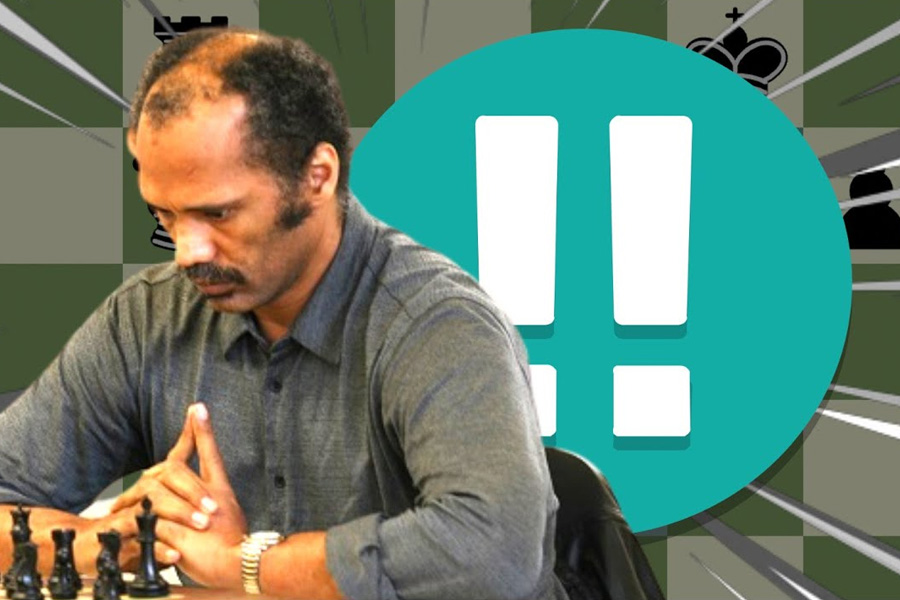
Who Emery Tate Was
I see more than a tactically astute chess master in Emery Tate. This figure moved through American chess like a summer storm—sudden, electrifying, and unavoidable. Born in Chicago on December 27, 1958, Emery Tate (also known as Emory Andrew Tate Jr.) established a reputation beyond titles and ratings.
American chess master, Air Force veteran, and one of the most recognized aggressive players of his time. At a competition in Milpitas, California, he collapsed and died on October 17, 2015. His age was 56. Even after his death, the environment felt connected to his game. He was active, competitive, and feared till the end.
Tate was memorable for more than winning games. He won them that way. He played with originality, bravery, and creative fire that unnerved even veteran opponents. Lots of gamers score. Tate saved moments. His 64-square games resembled pyrotechnics.
Early Life and Family Roots
Emery Tate’s family was less known than his chess legacy. Family documents mention his father, Emory Andrew Tate Sr., but little is known about his personal or professional life. Emma Cox Tate, his mother, is also mostly known via genealogy.
Even with limited detail about his parents, the family line matters because it grounds the story. Tate did not emerge from nowhere. He carried a name, a history, and eventually built a family of his own that would later draw intense public attention for reasons very different from chess.
He joined the Air Force in the late 1970s after starting life in Chicago in 1958. His future was shaped by that choice. He gained organization, mobility, and stronger chess competition in the military. Tate saw the Air Force as more than a job. He launched his chess career from it.
Military Service and the Rise of a Competitor
This aspect of Tate’s narrative is crucial because it shows how his talent became strength. During his Air Force career, especially overseas, he played tournament chess. Many talented players are local legends. Tate did not. He enlarged his chess universe in the military.
The Air Force provided him foreign surroundings, strict procedures, and more opponents. He improved greatly throughout this time. He began significant tournament play in the early 1980s. He was a USCF National Master by the mid-1980s and well-known in military chess.
His greatest USCF rating was above 2400, placing him in top national company. He never achieved an International Master or Grandmaster, but titles don’t describe reputation. Tate was famous for his ideas and dangerous play. When facing him, stronger titled players understood they were in tactical crossfire.
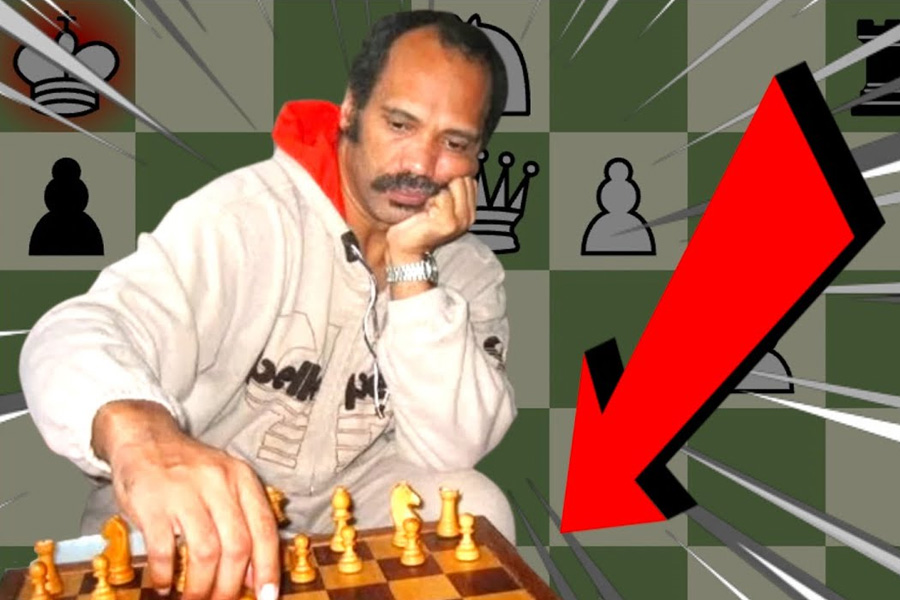
Why Emery Tate Became a Chess Legend
Some players are remembered for accuracy. Others for longevity. Emery Tate is remembered for beauty. His style was aggressive, sacrificial, and deeply inventive. He loved complications. He welcomed chaos if it carried attacking chances. He often turned positions into puzzles with teeth.
His signature strengths included:
| Trait | What It Meant in Practice |
|---|---|
| Sacrificial attacks | He gave material to seize initiative and expose kings |
| Creative combinations | He found surprising tactical sequences under pressure |
| Unorthodox openings | He steered games away from routine comfort zones |
| Dynamic play | He preferred energy and momentum over sterile safety |
This style made him a crowd favorite and a dangerous opponent in open tournaments. A single lapse against Tate could become fatal. Many titled players reportedly dreaded facing him because he was capable of igniting a position in one move and never letting the flames die down.
His games have continued to circulate in books, videos, blogs, and tactical collections. The phrase “Emory Tate brilliancies” has become almost a category of its own. That says something rare. Not every master becomes a lasting spectacle. Tate did.
Titles, Championships, and Competitive Achievements
Even lacking the top international titles, Emery Tate has a great record. One of his most notable accomplishments was being a five-time Armed Forces Chess Champion and US Chess National Master. His accomplishment alone makes him one of America’s best military chess players.
In many international events, he represented the US and defeated or tied International Masters and Grandmasters. He played hundreds of graded events in the US and Europe, creating a body of work beyond a few great performances.
Here is a brief timeline of major points in his life and career:
| Year | Milestone |
|---|---|
| 1958 | Born in Chicago, Illinois |
| Late 1970s | Entered the United States Air Force |
| Early 1980s | Began serious tournament chess competition |
| Mid-1980s | Earned National Master status |
| 1986 | Andrew Tate born |
| 1988 | Tristan Tate born |
| 1990s | Won multiple Armed Forces Chess Championships |
| 2000 to 2010 | Remained one of the strongest active American masters |
| 2015 | Died during a tournament in Milpitas, California |
Several grandmasters praised his talent. Maurice Ashley notably described Tate as one of the most dangerous attacking players he had encountered. That kind of respect matters. Grandmasters do not hand out admiration lightly, especially to players whose strength comes wrapped in tactical risk.
Eileen Tate and Family Life
Beyond tournaments and military service, Emery Tate was also a husband and father. He married Eileen Tate, a British woman he met during his military years. Their marriage produced three children: Andrew, Tristan, and Janine.
The couple divorced. Eileen raised the kids in the UK after the divorce. Years of anonymity ended when her kids Andrew and Tristan became online stars. As they gained notice, so did the Tate family.
I think Eileen occupies an important place in this story because she represents the quieter side of a very public family. While Emery built a reputation in chess halls and tournament rooms, Eileen’s role centered on raising the children and shaping the home environment after the marriage ended.
Andrew Tate and His Father’s Influence
Emery Tate’s most famous kid is Andrew Tate, born in December 1986. Former kickboxing world champion and media-polarizing online celebrity. Andrew Tate continually expresses affection for his father, regardless of his reputation.
Andrew often called Emery Tate one of his smartest friends. He credits his father with shaping his competitiveness, strategy, and philosophy. Emery’s legacy went beyond chess notation. Speech, family culture, and personal myth followed.
Andrew frequently mentions his father in interviews and conversations, which makes sense. Emery Tate was a fiery example of brilliance, discipline, and personal might. That father image would be hard to shake for a son who promotes strength and intelligence.
Tristan Tate and the Lessons of Observation
Tristan Tate, born in July 1988, has also discussed his father’s remarkable presence and chess skills. Tristan, a businessman, broadcaster, and former kickboxer, interprets his father through storytelling. Many of those anecdotes involve watching Emery play chess and seeing how swiftly he calculated, attacked, and ruled.
That detail matters because children often learn character by observation rather than instruction. In Tristan’s accounts, Emery appears not just as a father but as a living demonstration of concentration, confidence, and creative aggression. Those qualities become family memory. They linger.
If Andrew presents Emery as an intellectual giant, Tristan often presents him as a vivid force of nature, a man whose abilities were best understood by seeing him in action.
Janine Tate and the Private Branch of the Family
Janine Tate, Emery Tate’s daughter, remains the least publicly visible member of the family. She reportedly pursued a legal career and practices law in the United States. Unlike her brothers, she has maintained a largely private life and rarely appears in media coverage.
In a prominent household, her solitude stands out. Not all legacies are loud. Some develop discipline, reserve, and guardianship. Janine embodies that Tate family narrative. While public attention generally follows conflict, notoriety, or scandal, her career is founded in professional life rather than exposure.
The Enduring Power of His Chess Legacy
Emery Tate’s reputation may have improved following his 2015 death. His games circulate among online chess groups, YouTube retrospectives, tactical puzzle collections, and American chess discussions. Modern internet material attracts younger viewers, who stay because his games are still exciting.
This is one of his most remarkable moments. Many players fade after competitions. Tate did not. His interesting, educational, and dramatic games survive. Risk flows through them. Replay is rewarded. Even in an era of motors and precision, his inventiveness remains human in the finest sense.
Since Andrew and Tristan Tate frequently mention their father in interviews, podcasts, and social media, he earned prominence. His brilliance, military discipline, chess mastery, and charisma are often mentioned. Thus, individuals who never watched American tournament chess now know Emery Tate and explore his games.
Lesser-Known Details That Deepen the Portrait
Some repeated stories give the image texture. Tate was said to speak many languages and communicate with international players during competitions. The anecdotes suit his reputation as a global and mentally nimble opponent, but proficiency is hard to prove.
He frequently played blitz and demonstration games against several opponents, quickly calculating surprising strategy sequences. He was often praised for his innate combining skills. Many saw this as more than simply school. It seemed like instinct turned into art.
There was also a particular fear factor around him. Even when rating differences favored the opponent, Tate’s style made him dangerous. Facing him could feel like walking across thin ice while hearing it crack under every step.
FAQ
Who was Emery Tate?
Emery Tate, more commonly published as Emory Andrew Tate Jr. and usually known as Emory Tate, was an American chess master, United States Air Force veteran, and highly respected tactical player. He was born on December 27, 1958, in Chicago and died on October 17, 2015, in Milpitas, California.
Why is Emery Tate famous in chess?
He became famous for his aggressive attacking style, imaginative sacrifices, and ability to defeat strong titled players. Many chess fans remember him for brilliant tactical games rather than for formal international titles.
Was Emery Tate a grandmaster?
No, he was not a Grandmaster or International Master. He held the US Chess title of National Master, and his peak USCF rating exceeded 2400.
What were Emery Tate’s biggest achievements?
His most cited achievements include becoming a US Chess National Master, winning the Armed Forces Chess Championship five times, competing internationally, and earning respect from grandmasters for his tactical strength.
Did Emery Tate serve in the military?
Yes. Emery Tate served in the United States Air Force. During his military service, especially while stationed overseas, he became deeply involved in competitive chess and improved rapidly.
Who was Emery Tate’s wife?
His wife was Eileen Tate, a British woman he married during his military years. They later divorced, and she primarily raised their children in the United Kingdom.
Who are Emery Tate’s children?
His children are Andrew Tate, Tristan Tate, and Janine Tate. Andrew and Tristan became widely known public figures, while Janine has maintained a private professional life.
How did Andrew and Tristan Tate describe their father?
Both have spoken about Emery Tate with admiration. They often describe him as highly intelligent, disciplined, strategically gifted, and deeply influential in shaping their outlook.
What did Janine Tate do?
Janine Tate reportedly pursued a legal career in the United States. She is the least publicly visible of Emery Tate’s children and has largely stayed out of media attention.
How did Emery Tate die?
He died on October 17, 2015, after collapsing during a chess tournament in Milpitas, California. Reports widely describe the cause as a heart attack.
Why do people still talk about Emery Tate today?
People still discuss him because his games remain exciting, instructive, and memorable. Online chess videos, tactical collections, and frequent mentions by his sons have kept his name in public view.
What made Emery Tate different from other masters?
For me, the defining difference is that he played with rare imagination. Many masters are strong. Few are unforgettable. Emery Tate turned chess into theater, and that is why his name still echoes.